LEN! The hype, hope, and what you need to know.
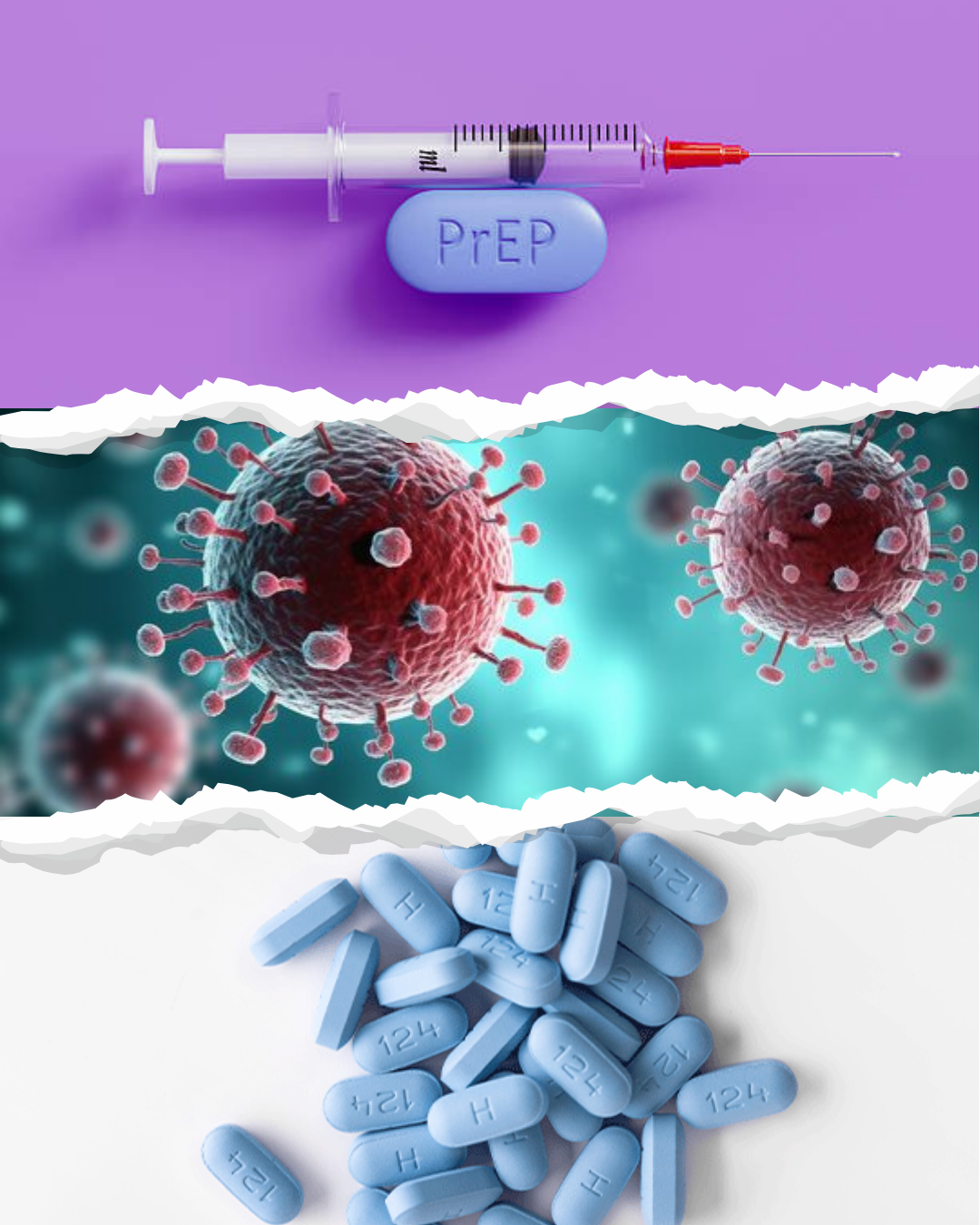
LEN, also known as Lenacapavir, was recently launched nationally in South Africa. This six-monthly HIV PrEP option is generating significant excitement and is hoped to contribute to reducing HIV incidence rates across the country.
The buzz surrounding this new medication has flooded social media platforms, with some even describing it as a “game changer” in HIV prevention. But beyond the headlines and hype, what exactly is Lenacapavir, and what does it mean for young people and communities?
Let’s unpack a few important facts about the newest addition to the HIV PrEP family.
What is LEN?
Lenacapavir is a long-acting HIV PrEP (Pre-Exposure Prophylaxis) medication. In simple terms, it helps prevent HIV infection in people who are HIV-negative and at risk of exposure.
Here are some key facts:
- It is HIV prevention, not a vaccine. Lenacapavir works by preventing HIV infection, but it does not train the body’s immune system like a vaccine would.
- It provides protection for up to six months per injection, making it one of the longest-acting HIV prevention options currently available.
- It is administered subcutaneously, meaning it is injected just beneath the skin.
- Lenacapavir is also an HIV treatment medication. This means it has applications in both HIV prevention and HIV treatment, although treatment use is a separate discussion altogether.
- It only protects against HIV. It does not prevent other sexually transmitted infections (STIs) such as syphilis, gonorrhoea, chlamydia, hepatitis, or bacterial vaginosis (BV).
- It is not a contraceptive. While it helps prevent HIV infection, it does not prevent pregnancy.
- It is not necessarily intended as lifelong prevention. Like other PrEP options, it may be particularly useful during periods or “seasons” of increased HIV exposure risk.
Why is Everyone Excited?
For years, researchers and healthcare providers have faced one major challenge with HIV PrEP: adherence.
Many participants in previous HIV prevention studies reported difficulties with:
- Taking daily oral tablets consistently.
- Attending frequent clinic visits for repeat prescriptions or injections.
- Managing side effects or treatment fatigue (tired of taking medication every day).
- Limited choice among HIV prevention options.
Lenacapavir addresses many of these barriers. With only two injections per year, it reduces the burden of daily pill-taking and frequent clinic visits.
For many people, this convenience could make HIV prevention more accessible and sustainable. The availability of more prevention options also allows individuals to choose a method that best suits their lifestyle and preferences.
This is why so many people see Lenacapavir as a potentially transformative addition to the HIV prevention toolkit.
So, What Happens Now?
Now we watch, learn, and wait.
The reality is that no HIV prevention intervention can be forced upon a population. It can be recommended, promoted, and made accessible, but ultimately people must choose to use it.
Experience has shown that the most sustainable health interventions are those that individuals adopt willingly and purposefully.
Importantly, the introduction of another HIV PrEP option does not automatically change unsafe sexual behaviours. In some instances, there is even concern that highly effective HIV prevention methods may lead some people to underestimate other sexual health risks if comprehensive education is not provided alongside them.
It is also worth remembering that Lenacapavir is not the first long-acting HIV PrEP option. Before LEN, there was Cabotegravir (CAB), a two-monthly injectable PrEP.
Some may argue that six months is better than two months—and they may be right. However, if someone was not interested in long-acting HIV PrEP when CAB became available, they may still hold similar views today. Convenience alone does not guarantee uptake.
Choice Comes with Responsibility
The good news is that HIV prevention now offers more options than ever before.
Much like contraception, there is no single solution that works for everyone. Some people may prefer daily tablets, others may choose two-monthly injections, and some may find six-monthly injections more appealing.
We have options—and that is something worth celebrating.
What we do not have is a mandate forcing people to use any of these products. Sexual and reproductive health rights protect each person’s autonomy and right to choose.
With that freedom comes responsibility: the responsibility to stay informed, assess personal risk, make healthy decisions, and protect both ourselves and our partners.
As Spider-Man’s aunt/uncle’s famous quote reminds us:
“With great power comes great responsibility.”
The same applies to the growing range of HIV prevention choices now available to us.
Ubusha Bami futhi yimi lo – My youth and this is me! © 8 June 2026